
A lipoma is a non-cancerous (benign) growth made up of fat cells that develops just beneath the skin. These soft, movable lumps are usually found between the skin and the underlying muscle layer.
In most cases, lipomas are harmless, painless, and grow slowly over time. However, if a lipoma develops near nerves or blood vessels, it can put pressure on them as it enlarges. This may lead to pain, tenderness, or discomfort in the affected area.
While lipomas are generally not dangerous, it is advisable to get them evaluated by a specialist to rule out any complications and determine if treatment is required.
Fill in your details to book a free doctor appointment
Click on any topic below to learn more about Lipoma
Lipomas can vary based on their composition and location. Common types include:
While lipomas are benign, liposarcomas are rare cancerous tumors. Watch out for warning signs such as:
Lipoma is known by different names across regions:
Although usually harmless, untreated lipomas may lead to:
Comprehensive insights into diagnosis methods and effective treatment options

Diagnosing a lipoma is usually simple and straightforward. In most cases, doctors can identify it through a physical examination:
To confirm the diagnosis and rule out serious conditions, additional tests may be recommended:
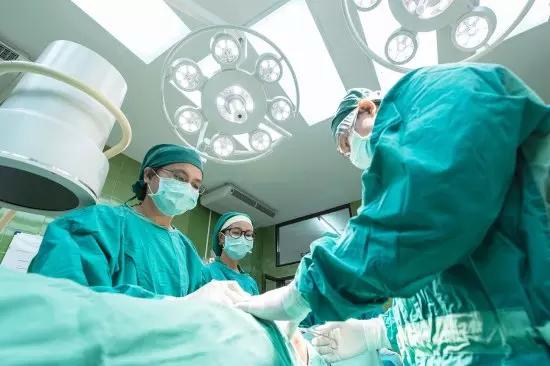
The most effective treatment for lipoma is surgical removal, especially if it causes pain, discomfort, or cosmetic concerns:
With modern techniques and expert care, lipoma removal is safe, quick, and offers excellent long-term results.
Delivering Seamless Lipoma Surgical Experience
We use modern methods such as liposuction and surgical excision to remove fatty lumps effectively. These minimally invasive techniques ensure less pain, minimal downtime, and a smooth recovery.
Our team includes highly skilled plastic surgeons with 10+ years of experience in performing lipoma removal safely. Each patient receives a personalized treatment plan tailored to their condition.
Lipoma removal is performed using advanced techniques that leave little to no visible scars, ensuring better cosmetic outcomes with no major aesthetic concerns.
Our surgeons focus on complete removal of the fatty tissue, significantly reducing the chances of the lipoma returning in the future.
Find answers to common questions about Lipoma treatment
Exercise cannot completely eliminate a lipoma. However, maintaining a healthy lifestyle may help reduce overall fat accumulation, which can sometimes limit its growth.
Lipomas are generally harmless and may remain stable for years. In rare cases, they may shrink slightly, but they usually do not disappear completely on their own. It is best to consult a specialist for proper evaluation and guidance.
In certain cases, lipomas can be treated using drainage or minimally invasive techniques. However, complete removal through surgical excision is often recommended to prevent recurrence. Consult experts at Square Health in Bangalore to determine the most suitable treatment option.
Yes, lipoma removal surgery is often covered under health insurance, especially if it causes pain or medical complications. At Square Health, the team assists with documentation and helps ensure a smooth insurance claim process.
Consult with our top-rated specialists for the best care and treatment.

MBBS, MS - General Surgery - MCh - Urology Urologist,Urological Surgeon,Andrologist

MS - General Surgery, MBBS - Laparoscopic Surgeon,General Surgeon

MBBS, MS - General Surgery, MCh - Plastic & Reconstructive Surgery

MBBS, MS General Surgery , DNB General Surgery , FIAGES - General Surgeon, Laparoscopic Surgeon, Proctologist

MBBS | MS - General Surgery - Consultant - General Surgery

MBBS, MS-General Surgery - Urologist